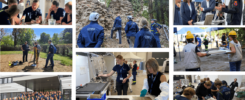
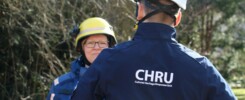
When a disaster strikes cultural heritage sites, the first crucial step is to document and assess the damage. The analysis of the collected data determines the roadmap for all subsequent measures, answering questions such as: What is the extent of the damage to tangible and intangible heritage? What are the priorities? Should movable heritage be evacuated, and if so, how many items? Does a heritage building need urgent shoring or covering to prevent further damage? How should the team divide its time and workforce within a tight emergency schedule?
The EU-financed project PROCULTHER-NET2 is currently developing such documentation and damage assessment templates for cultural heritage at risk of disasters. Based on the initial European templates published in the “Key Elements of a European Methodology to Address the Protection of Cultural Heritage during Emergencies” in 2022, the Consortium Partners — comprising Italy, France, Germany, Portugal, Spain, and Türkiye — intend to refine and update the documents, providing standards that can be adopted by the Union Civil Protection Mechanism (UCPM) Member and Participating States. The German Archaeological Institute (DAI) and the Federal Agency for Technical Relief (THW), both PROCULTHER-NET2 partners, contributed to the updating of the methodology by providing experience gained from the KulturGutRetter project and the development of the Cultural Heritage Response Unit (CHRU). In particular, with the support of the Leibniz Centre for Archaeology (LEIZA) – the third partner of the KulturGutRetter project – they are sharing their expertise in the documentation and assessment of damage to movable and immovable cultural heritage.
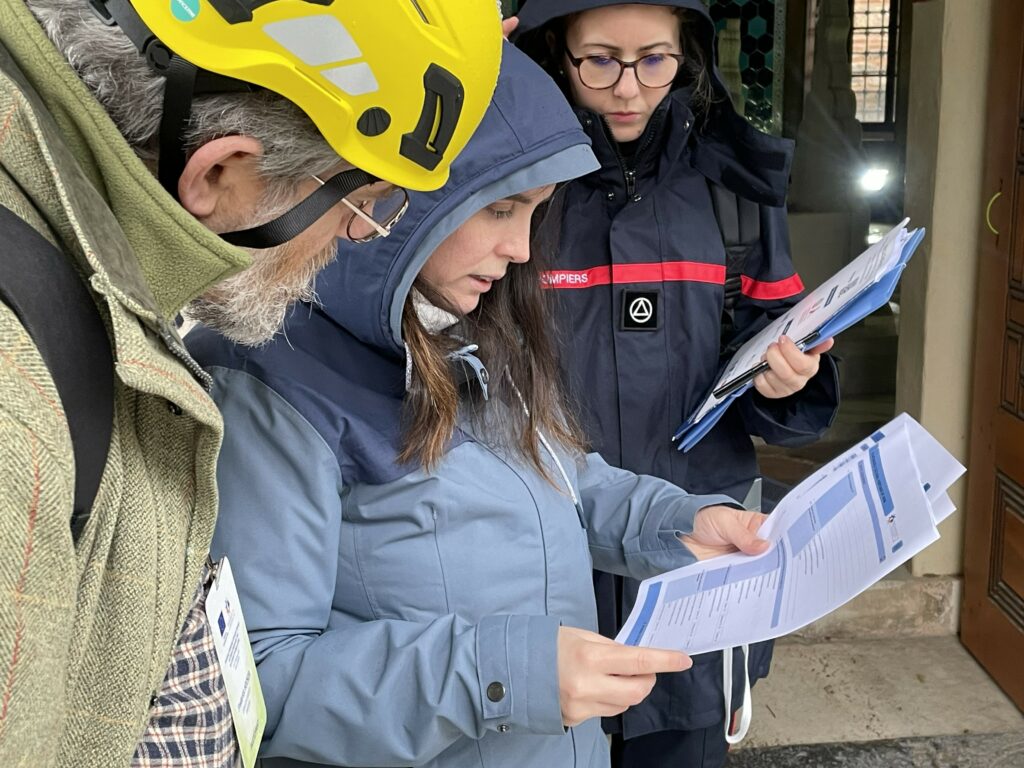
Use of PROCULTHER-NET2 documentation and damage assessment templates – C. Domenech, DAI
Lessons learned from recent catastrophic events, such as floods, fires, and earthquakes, have been applied alongside the expertise of civil protection and cultural heritage specialists to develop new European templates for documenting and assessing damage to immovable heritage (buildings and sites), movable heritage (collections and archives), and intangible heritage (cultural traditions and practices). To test their effectiveness, a joint exercise involving 80 experts from 20 UCPM countries was organised by the Italian Department of Civil Protection (DPC) and the Turkish Disaster and Emergency Management Presidency (AFAD) in Bursa, Turkey, from 10 to 12 February 2026. The DAI and the THW each sent an expert to participate in the evaluation. Both of these experts are volunteer members of the CHRU, who specialize in documentation and movable heritage, and took part in previous PROCULTHER-NET2 trainings.
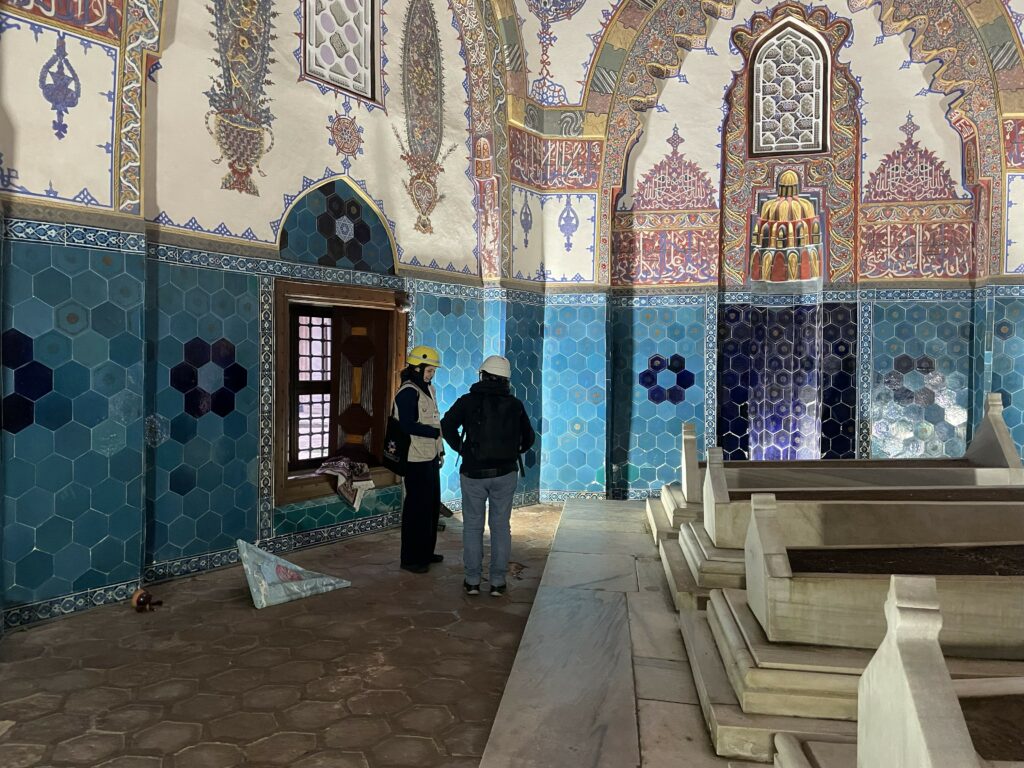
UNESCO World Heritage Site, Muradiye Complex in Bursa, Türkiye – C. Domenech, DAI .
The following scenario was designed to test the templates during the workshop. A magnitude 6.9 earthquake hit the historical town of Bursa, the birthplace of the Ottoman Empire, causing casualties and leading to a partial evacuation of the city. Severe weather, including heavy rain, followed, causing further damage to cultural heritage sites. After the life-saving phase had concluded, a request was made via the UCPM for support from a Cultural Heritage Protection Module (CHP) to assess damage to two significant sites: the Muradiye Complex, a UNESCO World Heritage site which comprises a mosque, 15th-century tombs and a madrasa that has been converted into a museum housing manuscripts and a Karagöz shadow theatre collection; and the Romangal silk factory, an important landmark in the city’s industrial history.
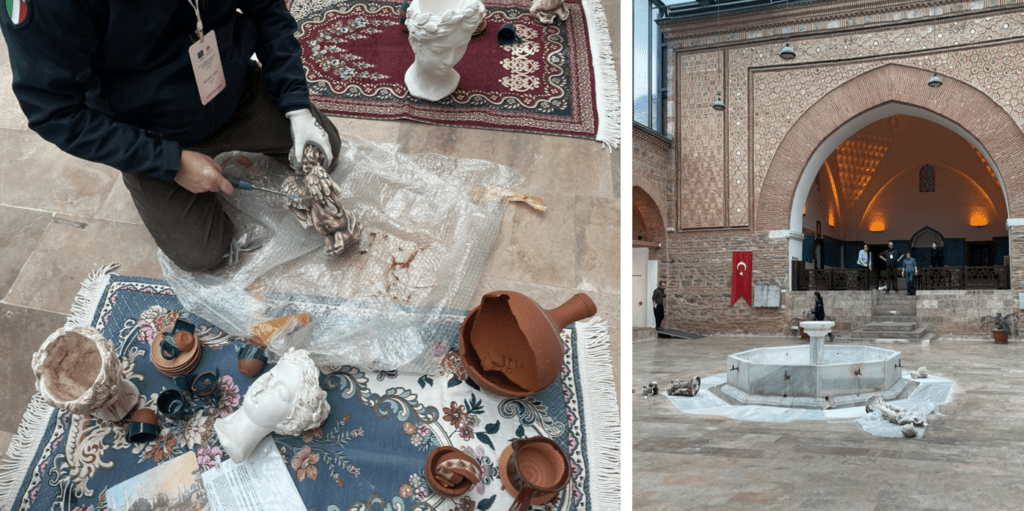
Preparation of the scenario and props in Muradiye Medrese – C. Domenech, DAI
After a presentation on the revised templates and the objectives of the workshop, the participating experts were divided into teams comprising a variety of nationalities and areas of expertise. The aim was to provide feedback on the clarity, efficiency, and relevance of each template. The PROCULTHER-NET2 Templates comprise ten documents in total: one for the overall site (template 1); five for the buildings (templates 2–5, with special forms for assessing flood, fire and earthquake damage); three for the movable cultural heritage (templates 6–8, including an evacuation tracking sheet); and two for the intangible cultural heritage (templates 9–10).
Six teams were assigned to the Muradiye complex to document and assess movable cultural assets, while three teams tested the templates dedicated to immovable heritage at the Romangal silk factory. The first field session at the Muradiye Complex and the Romangal silk factory was dedicated to testing the templates for the overall site and intangible cultural heritageThe templates for intangible cultural heritage are a new addition to the PROCULTHER-NET2 methodology. This reflects the close intertwining of cultural practices with sites, objects, and collections, which are also at risk of being lost in the event of a disaster. While trying to fill in the dedicated templates, the participants acknowledged both the difficulty and the absolute necessity of collecting information on intangible cultural heritage.
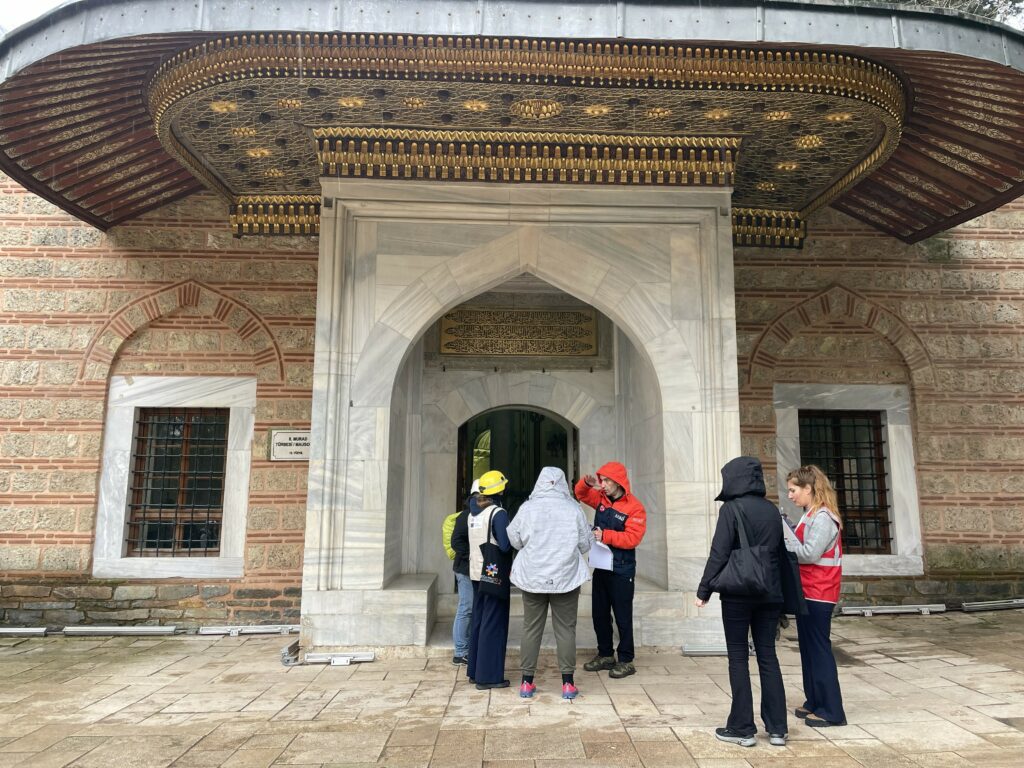
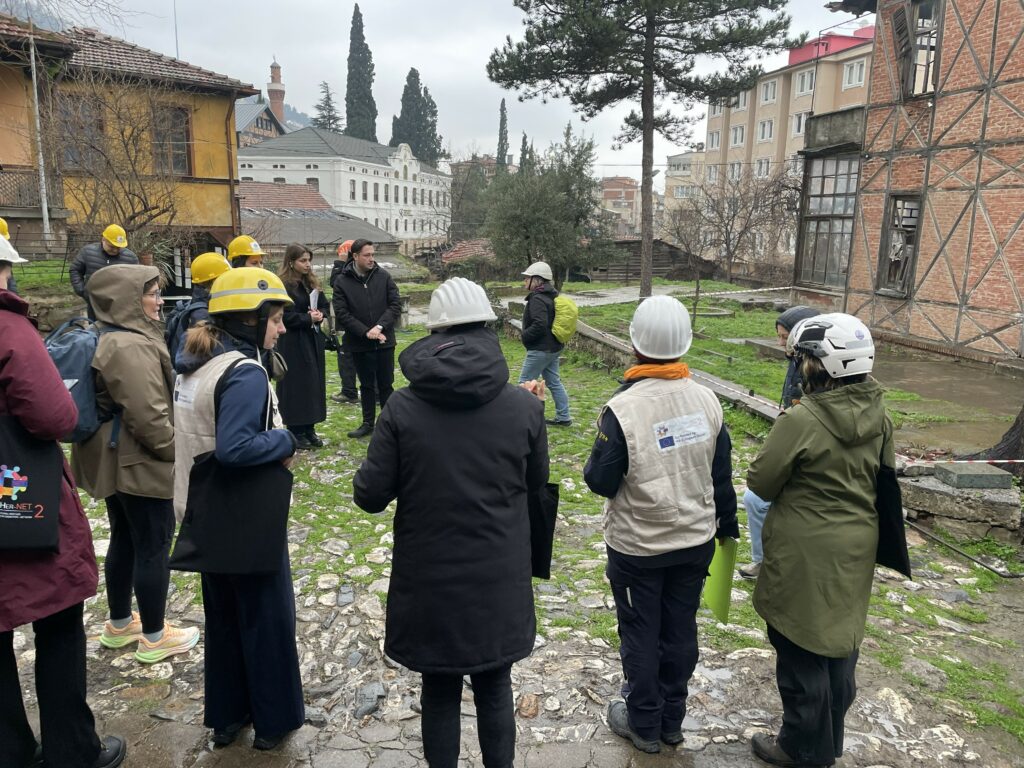
Site assessment at the Muradiye Complex and the Romangal Silk Factory – C. Domenech, DAI
On the second day of the workshop, the teams at the Muradiye complex examined the efficiency of templates for documenting and assessing movable heritage items in four tombs and the Madrasa, in line with the given scenario. “With its historic buildings and numerous UNESCO World Heritage Sites, combined with its location in an earthquake-prone zone, the scenario described immediately gains credibility. The preparation, support and logistics provided by our colleagues from the PCH Consortium and the Turkish AFAD were exemplary, allowing us to quickly immerse ourselves in the scenario. Personally, I consider it a great honour to have had the opportunity to work on a situation within a World Heritage Site”, says Maximilian Zerrer, from the Ludwigsburg local branch of the THW, and CHRU volunteer. The movable cultural heritage assets templates allow for the general documentation (type, quantity, dimensions, weight, etc.) and the more precise assessment of damage to entire collections or individual items (type and extent of damage, water exposure, need for securing interventions, etc.). A tracking sheet can then be used to plan evacuation and recommend emergency treatment.
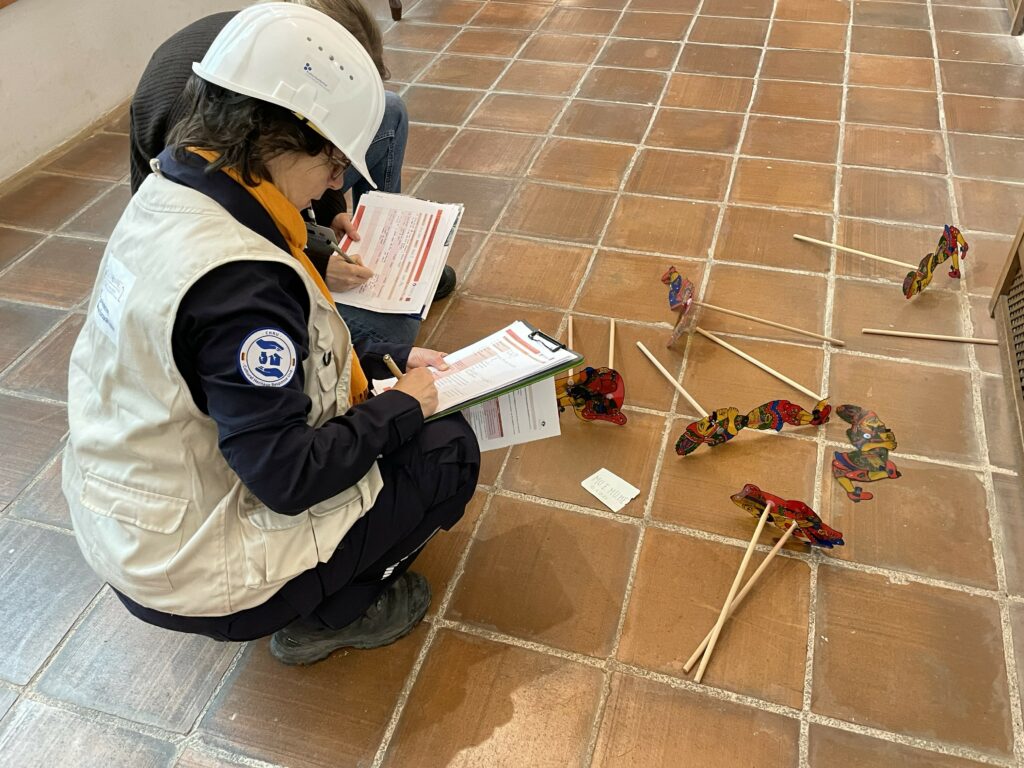
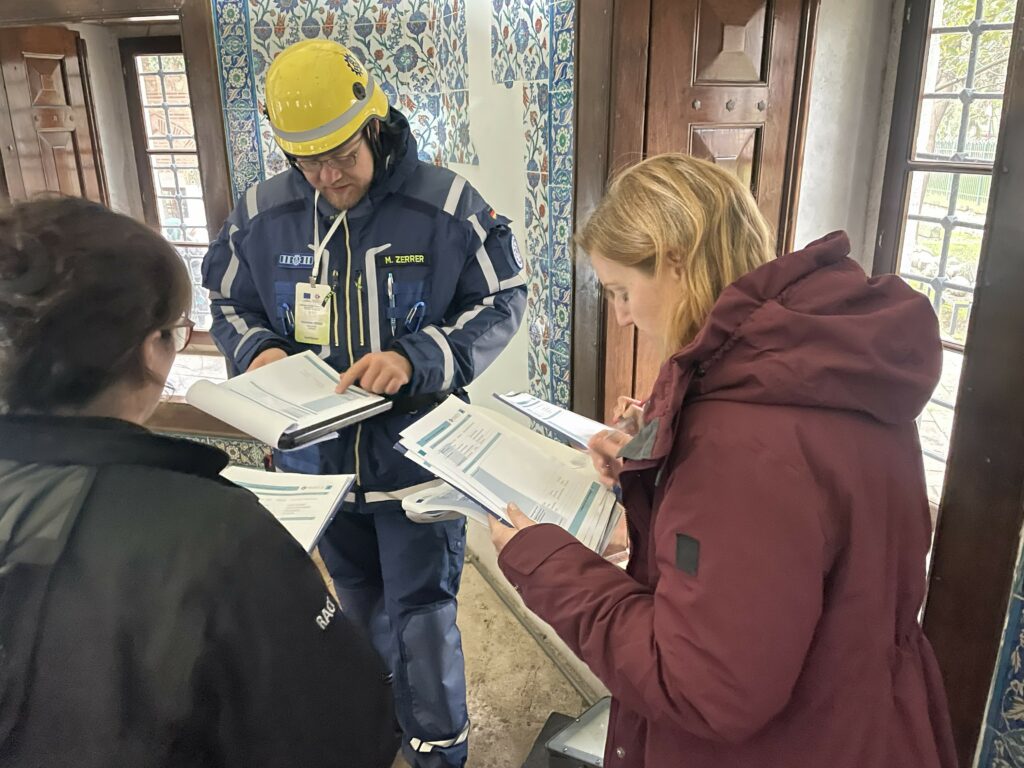
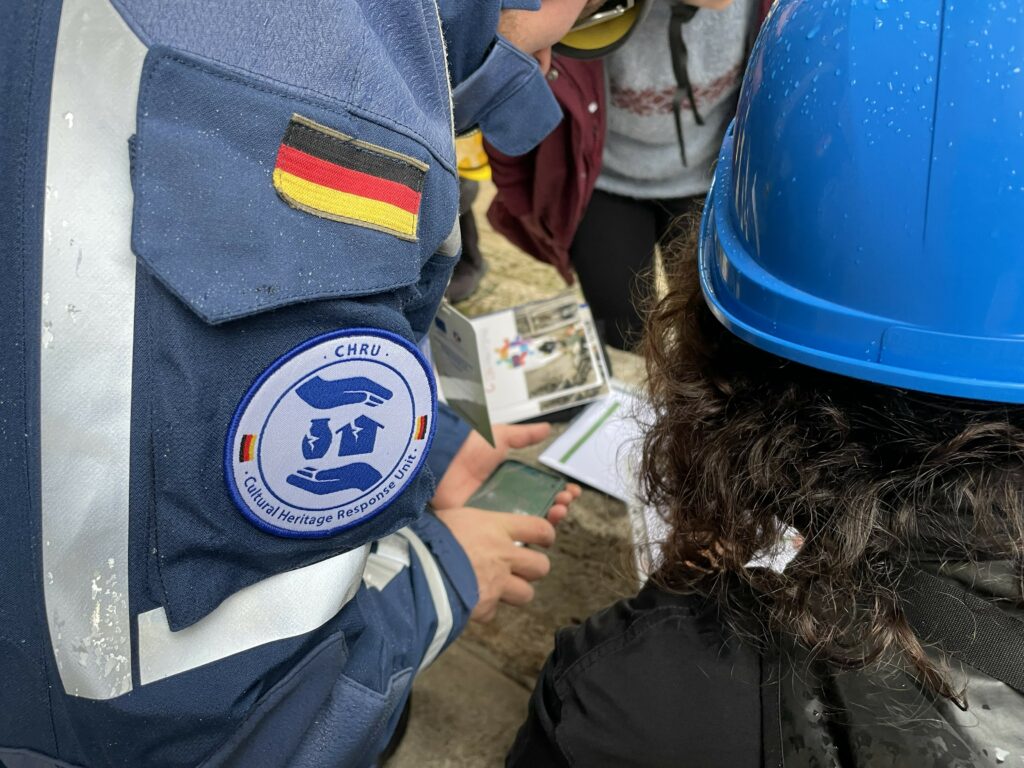
The CHRU volunteers assessing damage at the Muradiye complex – C. Domenech, DAI
Meanwhile, at the Romangal silk factory, three other teams were working on the templates for immovable heritage. These templates were used to collect general information about the buildings on the site, such as the number of storeys, the characteristics of the structural elements (stairs, roofs, floors, etc.), and whether there were any fixed decorative items present (such as painted walls, sculpted elements, fixed furniture, etc.). The scenario developed for the Romangal silk factory allowed the three templates relating to seismic, fire, and meteorological and hydrological damage to be tested. Each template includes sections to fully describe the extent and nature of the damage, and to recommend securing interventions.
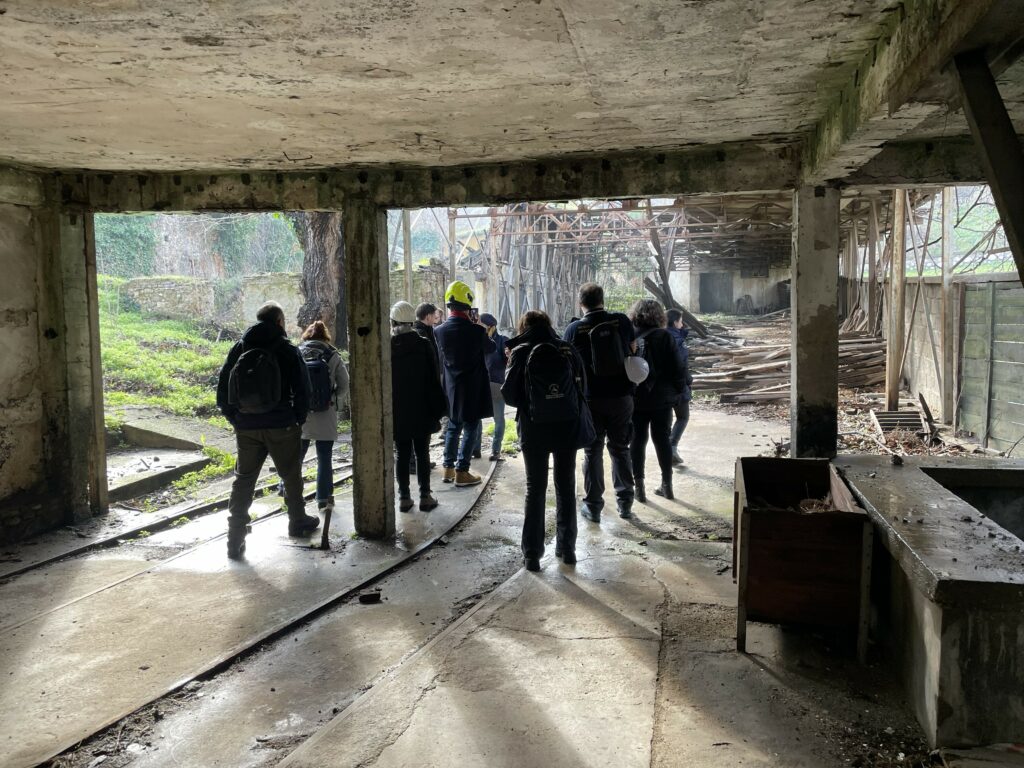
Team at the Romangal silk factory – C. Domenech, DAI
A debriefing session was held to collect feedback from each team and the group of observers. Several suggestions were made to improve the templates and ensure they meet operational requirements. Beyond improving templates, one of the highlights of the workshop was strengthening ties within the thematic community dedicated to protecting cultural heritage in emergencies. “Working in a team where everyone pulls together across language barriers and cultural differences is a great experience for me”, says Susen Döbel, CHRU volunteer. “This includes respectful and constructive discussions, working together and spending time in the evening talking and exchanging ideas. It gives me great satisfaction to be able to contribute my professional expertise and experience to the development of a mechanism for protecting cultural heritage. I am particularly proud to know that my profession – I am an excavation technician – allows me to make a concrete and relevant contribution”. “In my opinion, the opportunity to network across Europe is the greatest advantage of the workshop. (…) this network is extremely valuable, true to the motto ‘Knowing people in times of crisis’”, adds Maximilian Zenner.
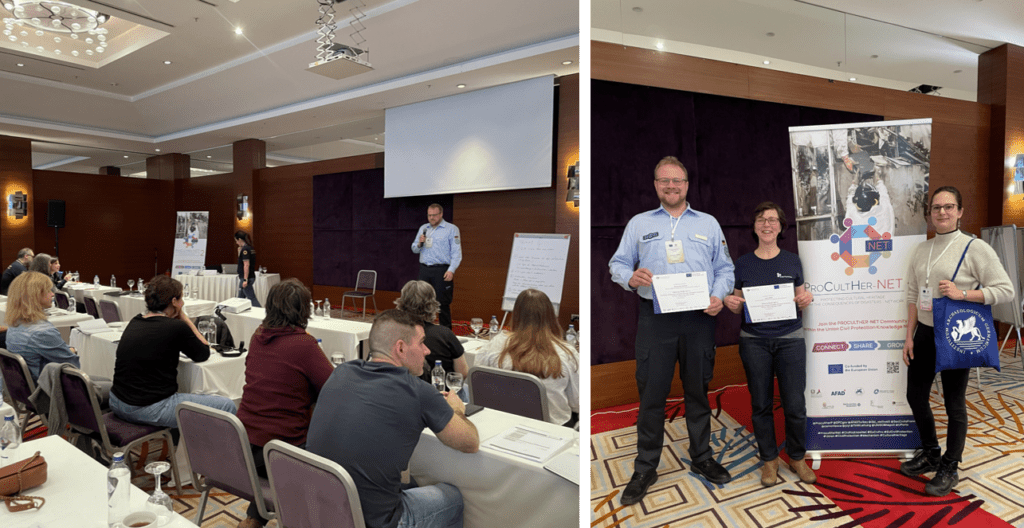
Workshop debriefing, presentation of the teams’ recommendations – C. Domenech, DAI
The updated version of the “Key Elements for a European Methodology for the Protection of Cultural Heritage in Emergencies” will be published in March 2026, including the revised documentation and damage assessment templates. This publication aims to strengthen the capacity of the European Union Civil Protection Mechanism (UCPM) to support countries affected by disasters, particularly those that have not developed their own methodology for damage documentation and assessment.